Consumer Behaviour
Which Pandemic Shopping Habits Stayed
Grocery delivery, curbside pickup and mobile checkout: a clear look at the habits that survived 2022 and the ones that faded quietly.
The test that separates lasting from temporary
Ask what would have to change for the habit to reverse. Grocery delivery would reverse if the fees rose far above the value of the time it saves, which is unlikely for a busy household. Home-office furniture would reverse if people went back to offices, which many did. A habit carried by a strong, repeated reason tends to survive; a habit carried by a temporary constraint tends to fade. That single test explains most of what happened after 2022.
A second test looks at who adopted the habit. When the new behaviour was taken up by people who had a durable reason to keep it, it stayed. When it was taken up by people who simply had no alternative for a few months, it went back. The two tests are worth applying to every claim about a permanent shift, including the ones in how COVID-19 changed online shopping.
Grocery delivery: stayed, and grew up
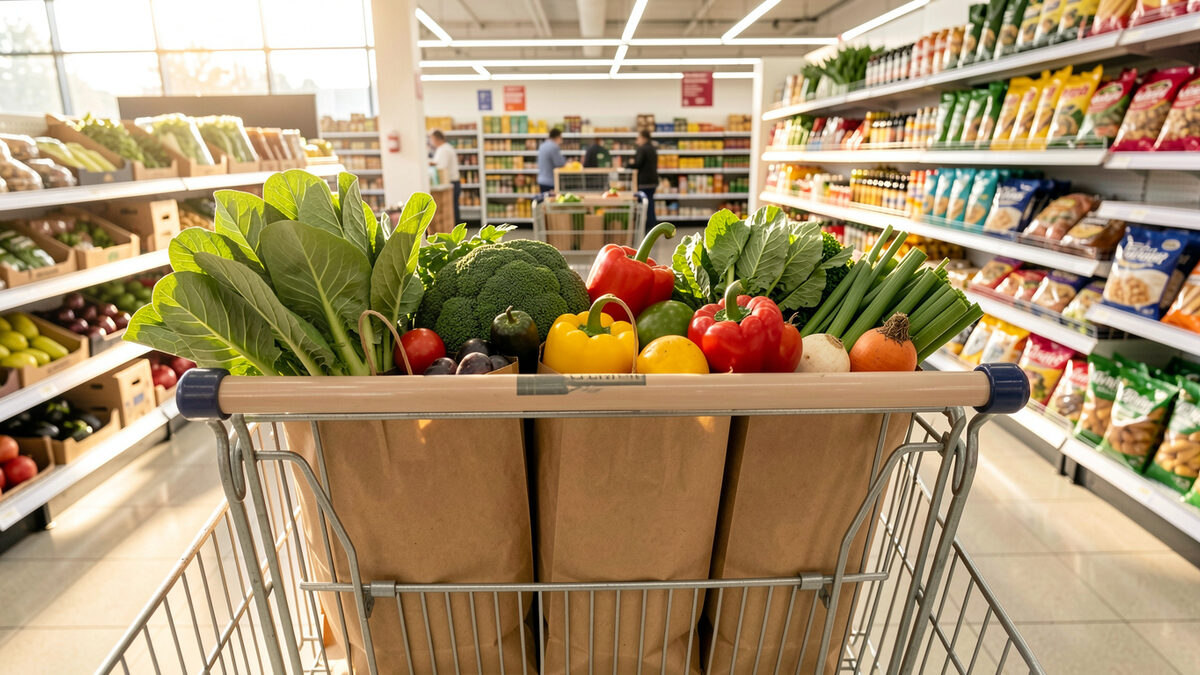
Online grocery was a small, awkward service before 2020. It became essential within weeks, and although delivery slots were scarce at first, the habit stuck. The reason is straightforward. Ordering heavy or boring items online saves real time, and the saving does not depend on a pandemic. What changed after the closures was the mix: many households now order the bulky and the routine items online while still buying fresh food in person.
For shops, the lesson is that the value is in removing effort, not in novelty. A service that saves a household an hour a week will be used for as long as the saving holds. The category data behind this, including the sharp rise in health and chemist's goods, is set out in what the 2020 ecommerce data showed.
Buy online, pick up in store: partly stayed
Curbside pickup was improvised almost overnight by shops that had never offered it. It solved an immediate problem, and once the problem eased, most shoppers preferred to walk in. The exception is bulky or high-value goods, where collecting avoids a delivery fee and a missed-delivery risk. So the habit survived, but in a narrower role than its 2020 prominence suggested.
This is a good example of a change that looked permanent in the moment and turned out to be situational. It also shows why a shop should be careful about rebuilding its whole operation around a behaviour that existed mainly because the alternative was closed.
Mobile checkout: stayed, and hardened
Buying on a phone was already growing before 2020, and the closures accelerated it. What made the change stick was not the pandemic but the improvement in the experience: saved cards, one-tap wallets and better mobile pages. A shopper who has paid by phone once finds it easier than typing a long number, and ease is what makes a habit durable.
The consequence for a shop is that the mobile checkout is now the default, not the alternative. A form that works on a desktop but frustrates a thumb is a form that loses sales every evening. The payment methods that made this shift possible are the subject of digital payments after COVID-19.
Social and live selling: stayed, and expanded
Selling through social platforms was growing quickly before 2020, and it became one of the clearest winners of the period. Live selling, in particular, turned a broadcast into a shop counter, with products shown, questions answered and orders placed in the same session. The habit survived because it combines entertainment with a reason to buy, and because the platforms kept investing in the tools.
The caution is ownership. An audience built inside a social platform belongs to that platform, and the rules can change without notice. That is why the comparison in marketplace or your own store matters even for a shop that sells mostly through social channels. The reach is real; so is the dependence.
Home-office and hobby spending: faded
Spending on desks, monitors, exercise equipment and garden tools rose sharply while people were confined to their homes. Much of it was a one-time purchase, and a desk bought in 2020 is not bought again in 2022. This category therefore gave back most of its gain, not because the behaviour reversed but because the need was satisfied.
This is the hardest kind of change to read in real time, because a satisfied need looks exactly like a durable habit for the first year. The distinction only becomes visible when the replacement cycle ends. For a shop, the defence is to notice whether a growth in demand is a new habit or a filled gap, and to plan stock accordingly.
What a shop should take from this
Three habits are worth building on: grocery-style convenience, a mobile checkout that respects a thumb, and the discovery that happens in feeds and live video. Two are worth offering but not betting on: pickup and home-office lines. The difference between them is not fashion but whether the reason to keep the behaviour survives the end of the emergency.
Applied honestly, that test is more useful than any single statistic from 2020. It also explains why the shopper is the right place to start any review of an online shop, and why the next page, on customer experience in online retail, treats service and returns as part of the product rather than as an afterthought.