Payments and Checkout
Payments and Checkout
Wallets, QR codes, buy-now-pay-later and cross-border payments: how the checkout changed and what each option costs a small shop.
What the checkout is for
A checkout has one job: to take a willing buyer and turn them into a paid order without giving them a reason to stop. Everything else is decoration. That means the checkout should be short, honest about the total cost before the final step, and available in the payment method the shopper actually uses. A checkout that hides the delivery cost until the last screen is not protecting revenue; it is inviting the shopper to leave at the exact moment they had decided to buy.
The same logic applies to speed. Every extra field, every redirect to a bank page and every loading spinner is a chance to lose someone who was already convinced. The wider journey that leads to this moment is described in consumer behaviour in online retail.
How payment changed after 2020
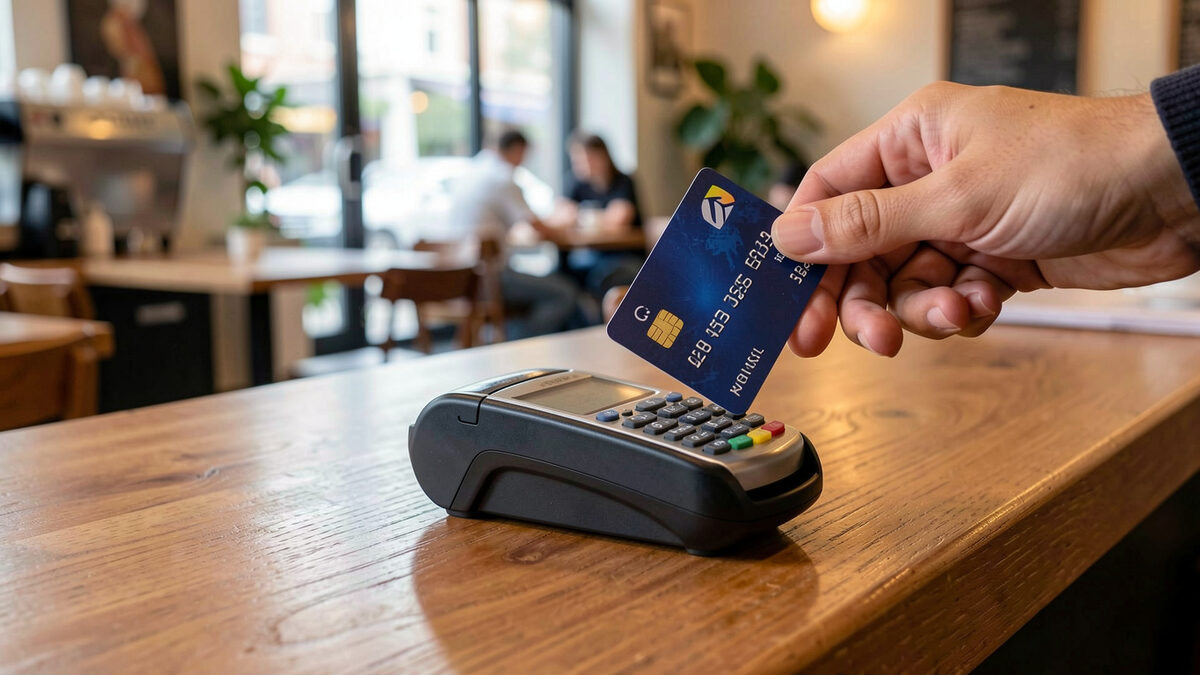
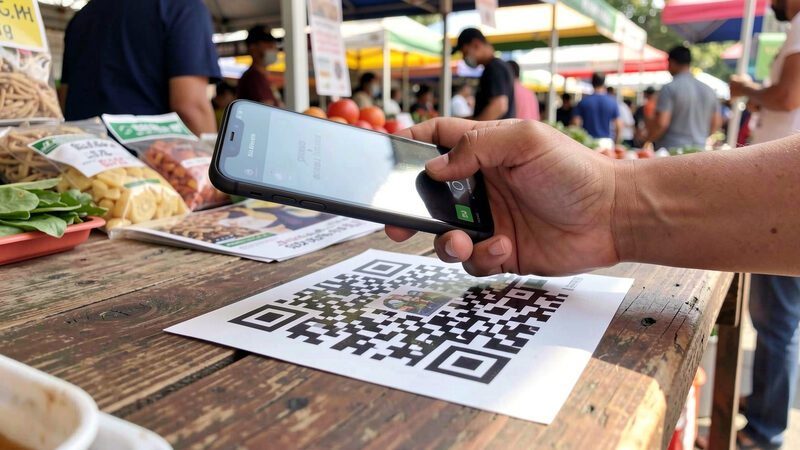
Contactless payments grew quickly from 2020, and several countries raised the limit below which no PIN was needed. Wallets on phones became ordinary rather than novel, and QR codes moved from an Asian specialty to a European habit, especially in countries where small traders adopted them. Buy-now-pay-later grew too, particularly for younger shoppers and for larger baskets, though its economics deserve a careful look before a small shop adopts it.
The common thread is that paying became faster and less typed. A shopper who used to enter a sixteen-digit number now taps a phone or approves a payment in an app. Each of those changes removes a small obstacle, and small obstacles are exactly what a checkout cannot afford. The detail of this shift is the subject of digital payments after COVID-19.
What a payment method really costs
A payment method has three costs, and the advertised fee is only the first. The visible cost is the percentage a provider takes per transaction. The second cost is the fixed fee, which hurts small baskets more than large ones: a few cents on a two-euro order is a large share of the margin. The third cost is invisible and often the largest: disputes, also called chargebacks, and the time spent handling them.
A method that looks cheap can therefore be expensive once disputes are counted. This is why a shop should compare methods on the total cost of a paid, delivered order, not on the headline rate. The same reasoning applies when a shop sells abroad, where a currency conversion and a cross-border fee can quietly stack on top of each other, as described in cross-border payments for online shops.
Why offering more methods is not always better
It is tempting to add every payment option and let the shopper choose. The problem is that each option adds a button, a decision and sometimes a redirect, and a checkout full of choices is slower than one with three. The better approach is to offer the methods that cover most of a shop's customers, and to make those few methods prominent and easy.
Which methods those are depends on the market. A shop selling in the Netherlands will care about a local bank-based method that barely exists elsewhere. A shop selling in Poland or Romania may find that cash on delivery is still expected, even though it complicates the logistics. The honest answer is to look at real orders rather than at global averages, which rarely describe a specific shop's customers.
The security question, without the fear
Card fraud and data theft are real, and a shop that stores card numbers itself takes on a risk it does not need. The standard answer is to let a payment provider handle the sensitive data, so that the shop never holds the card number at all. This is both safer and simpler, and it is the reason most small shops should not build their own payment handling.
The second half of security is less discussed: honesty with the customer. A clear statement of what will be charged, when, and by whom reduces disputes as much as any technical measure. A shopper who recognises the name on their bank statement does not raise a chargeback, which is why the descriptor on a payment matters more than it looks.
What this section covers
Two articles sit under this introduction. One traces the growth of digital payments after 2020 and what it changed at the counter and in the checkout. The other deals with selling abroad, where currency, fees and disputes turn a simple sale into a more careful calculation.
Readers who want the official picture of payment systems, including cross-border flows and the statistics behind them, can consult the Bank for International Settlements, which collects data on payment and settlement across countries. This magazine translates that into the decisions a shop makes. Start with the method your customers already use, then check what it costs once disputes are counted.
One rule worth keeping
Show the full price before the final step, and offer the payment methods your customers already trust. Those two rules solve most of what goes wrong at a checkout. Everything else, from wallets to instalments, is an optimisation on top of them rather than a replacement.
That is a modest conclusion, and it is deliberate. The checkout is not the place for experiments on a busy day. It is the place to remove friction, keep a promise about the price, and let a willing buyer finish what they started.
Payments and Checkout
Digital Payments After COVID-19
Card, wallet and QR payments grew fast from 2020. Here is what actually changed at the counter and what merchants should watch next.
Contactless, wallets, QR and instalments.

Payments and Checkout
Cross-Border Payments for Online Shops
Selling abroad means getting paid abroad: currencies, fees, chargebacks and the practical choices open to a small online retailer.
Currencies, fees and disputes abroad.