The Pandemic Shift
The Pandemic Shift in Online Retail
How COVID-19 moved shopping online in 2020 and 2021: the timeline, the category data, and which changes proved permanent for online shops.
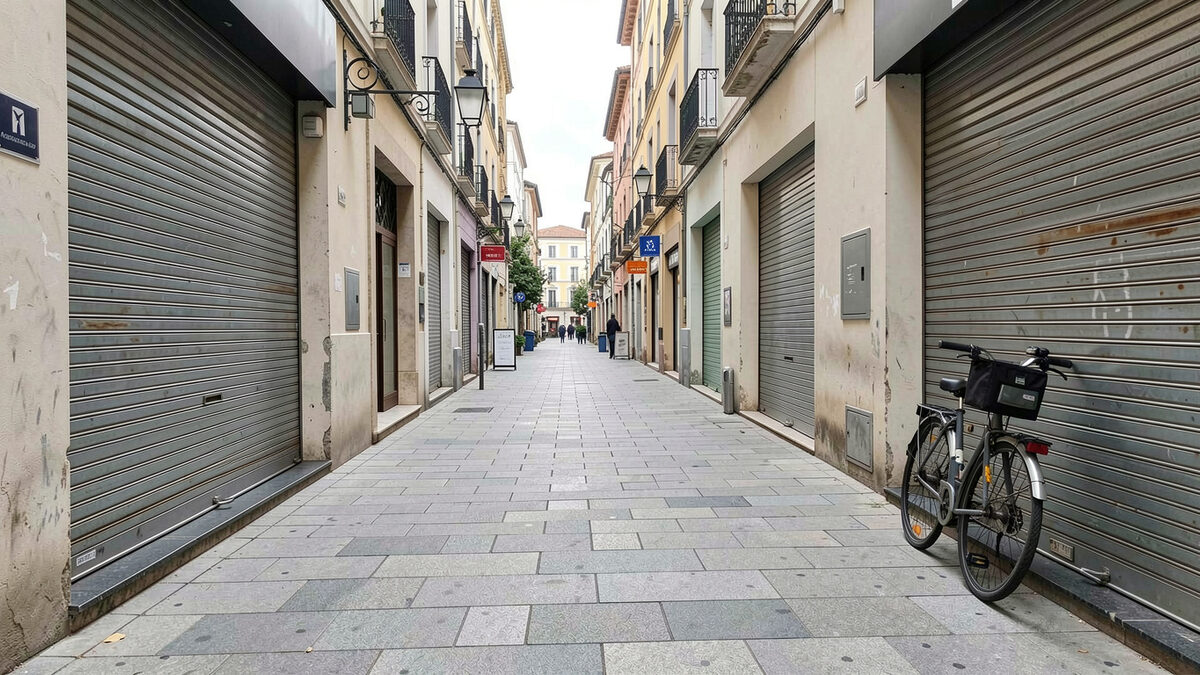
What actually happened in the spring of 2020?
The first lockdowns arrived country by country between March and April 2020. In most of Europe the rule was similar: shops closed, food shops and pharmacies stayed open, and online retailers kept trading. The immediate effect was a transfer of demand rather than new demand. A person who would have bought shoes in a shopping centre on Saturday bought them from a website on Tuesday instead. The money was the same; the route to the till changed.
That transfer exposed how much of ordinary retail had never been online. Small chains with a single brochure site suddenly needed stock visibility, a delivery promise and someone to answer messages. Some had none of those things. The shops that coped were usually the ones that already sold online, even a little, and could scale an existing routine rather than invent one. The account in how COVID-19 changed online shopping goes deeper into that first year and into what reverted later.
Why the timing mattered as much as the closures
A closure that lasts two weeks is an interruption. A closure that stretches across a year changes habits, and habits are what a shop actually competes with. Once a household has a saved card, a delivery address and a rough idea of which sites arrive on time, the cost of buying online falls for every future purchase. That is why the interesting question is not what happened in April 2020 but what was still true in 2023.
Two forces pulled in opposite directions. Delivery networks were strained, so some shoppers returned to local shops as soon as they could. At the same time, the online habit had been rehearsed often enough to feel normal. The result was not a single new normal but a split: some categories settled well above their 2019 online share, others drifted back toward it. Which categories did what is a question of data, and the data has limits.
What the published data can and cannot show
The most quoted figures from that period came from tracking studies that followed the same shops month after month. The best known in Central Europe followed more than 1,200 online stores and compared each period with the same period a year earlier. That method is honest about direction and roughly honest about size, but it cannot tell you why a shopper behaved as they did, and it cannot see the sales that moved to a marketplace the study did not track.
The category figures from that study are worth reading carefully, and what the 2020 ecommerce data showed does exactly that. Two cautions apply to almost every pandemic statistic. First, a year-on-year comparison in a disrupted year mixes a real change with a base effect. Second, a category can grow because demand rose or because a competitor closed, and the two are very different for anyone planning stock. Treat every percentage from 2020 as a direction, not a forecast.
Which parts of the shift proved permanent?
Three changes look durable. The first is that a large share of adults now buy some groceries online, even if only the heavy or the boring items. The second is that paying by card, phone or wallet at the door has become ordinary rather than novel, which changed the economics of cash handling for small shops. The third is that customers expect to see stock and delivery dates before they commit, not after.
Other changes look temporary. Curbside pickup, which many shops improvised in 2020, shrank once people were willing to walk in again, though it stayed useful for bulky goods. The surge in home-office equipment followed the office closures and partly followed them back. Understanding which is which matters because a shop that builds its whole model on a temporary habit is exposed when the habit fades, a theme developed in which pandemic shopping habits stayed.
How the shift reached the checkout and the warehouse
The visible change was on the website. The expensive change was behind it. Moving twice as many orders through a packing bench that was built for half as many means new staff, new shelf space and a new relationship with carriers. On the payment side, contactless limits were raised in several countries and wallets became a normal way to pay online, which is covered in digital payments after COVID-19.
Logistics absorbed most of the strain. Carriers that had planned for steady volumes met peaks every week, and the last mile, the part of the journey that reaches the customer, became the place where promises were kept or broken. That pressure did not disappear when the pandemic eased; it became the baseline that customers now expect, which is why last-mile delivery expectations belongs in this section rather than in a chapter of its own.
What this section covers
Four threads run through the pages below. The first is the timeline and its evidence. The second is the shopper, whose baskets, trust and returns decide whether any of the rest matters. The third is the money, meaning how a transaction is authorised and settled. The fourth is the route, meaning where an order is sold, packed and delivered.
Readers who want the wider economic picture rather than the retail detail can follow the OECD's work on COVID-19 and the economy, which frames the closures and the recovery across member countries. This magazine stays closer to the shop floor. Start with the timeline above, then follow the section that matches the decision in front of you: a shopper question, a payment question or a delivery question.
How to read the rest of the magazine
Every article here answers one question and names its source. Where a number comes from a study, the study is named and its limit is stated. Where a claim is a judgement rather than a measurement, it is written as a judgement. That habit matters in a field where a single percentage from 2020 is still repeated as if it described next year.
If you run a small shop, the most useful order is to read the shopper section before the technology sections, because payment and delivery only pay off when the shopper has already decided to buy. If you are studying the period, read the data article first and keep its cautions in mind throughout. Either way, the aim is the same: to understand a change that arrived suddenly and then settled into the ordinary furniture of online retail.
The Pandemic Shift
How COVID-19 Changed Online Shopping
A plain account of how the 2020 lockdowns pushed shoppers online, which habits lasted, and what quietly reverted once the shops reopened.
Who moved online, and which habits survived.

The Pandemic Shift
What the 2020 Ecommerce Data Showed
The 2020 Central European tracking study of 1,200 shops, read carefully: which categories grew, which fell, and what the numbers cannot say.
A 1,200 shop study, read carefully.